Pack complete outfits for the planned activities, repeat versatile layers and leave a little empty space. Measure the bag against your transport rules before buying or filling it.
Shopping note: the retailer links in this guide are ordinary links and do not currently earn us a commission. Read our Affiliate Disclosure.
In this guide
Packing for two nights can somehow produce the luggage of a much longer holiday. The extra shoes feel sensible, the second jumper might be useful and the toiletries arrive in full-size bottles. A more manageable weekend bag begins with the plans on your calendar, rather than every possible event that could happen while you are away.
Write a short itinerary first
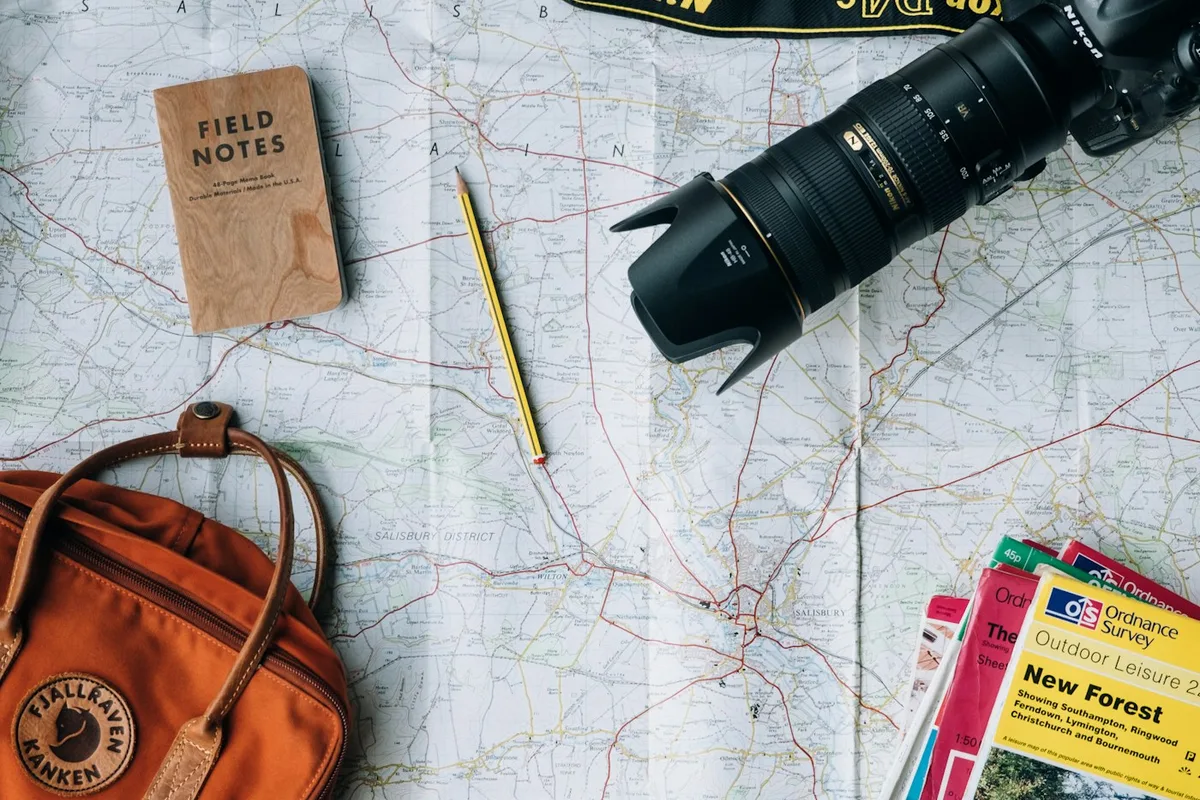
List travel days, sleeping arrangements and the activities you have actually arranged. A city visit with a casual dinner has different needs from a wedding weekend. Check the forecast close to departure, while leaving room for ordinary variation. There is little value in packing around a weather prediction made several weeks earlier.
If travelling by air, check the specific airline and fare’s current baggage allowance. For a train or coach journey, also consider how easily you can lift the bag and carry it between platforms. A bag that fits a numerical limit can still be awkward when fully loaded.
Pack outfits, not separate possibilities
Lay out complete combinations, including socks and any particular underlayers. Wear the bulkiest sensible clothes while travelling and repeat a versatile jacket or cardigan. A small colour palette can help, but choose clothes you already know feel comfortable rather than buying a new travel wardrobe.
Give each spare garment a clear job. A change of top may cover a spill or a second evening; three alternative trousers probably do not all solve different problems. Our everyday capsule wardrobe guide explains how to make existing clothes work together.
Keep footwear decisions strict
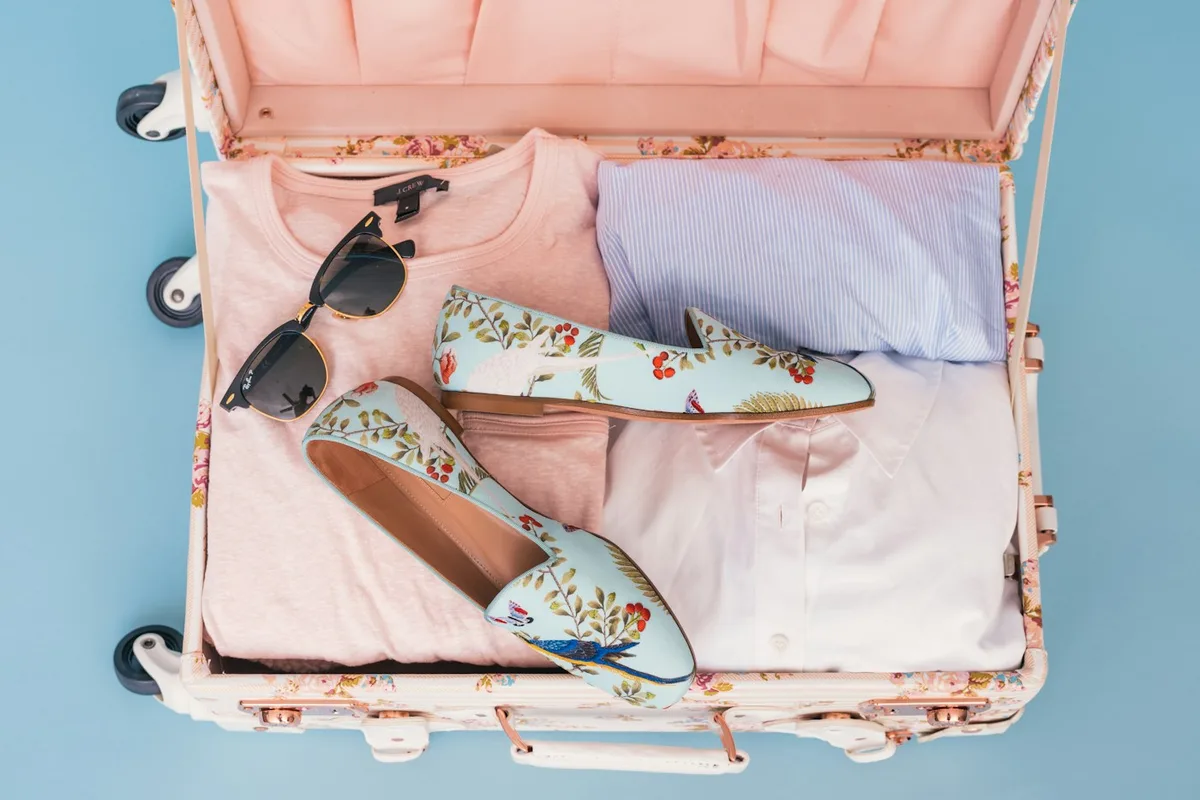
Shoes take disproportionate space and add weight. Start with one comfortable pair suitable for most of the itinerary. Add another only if a specific activity or dress requirement makes it necessary. Protect clean clothing from soles using an existing washable bag or another suitable cover.
Do not take untested footwear as your main walking pair. A weekend with unfamiliar pavements is a poor time to discover a rubbing heel. Read comfortable city shoes if you are replacing a pair before a trip, and allow time to check the fit in ordinary use.
Choose a packing method that suits the bag
| Method | Useful for | Potential drawback |
|---|---|---|
| Folding | Keeping structured clothes organised | Layers can hide smaller items |
| Rolling | Flexible casual clothing | Some fabrics still crease |
| One small packing cube | Grouping outfits together | Adds weight and occupies fixed space |
| Simple fabric pouch | Separating underwear or accessories | Offers little compression |
There is no universal winning technique. Try loading your current bag before purchasing accessories. If it closes only when someone sits on it, removing contents is usually more useful than adding a stronger compression system.
Make toiletries proportional to the trip
Check what the accommodation provides and what you actually need for two mornings. Where appropriate, use securely closing smaller containers you already own, label them and keep liquids apart from clothes. Follow current transport restrictions if flying; rules can differ by airport and journey.
Keep medicines, essential documents and any necessary chargers accessible, with a sensible allowance for delays. They should not be buried beneath optional clothing. A dedicated place for essentials makes unpacking less chaotic and reduces the temptation to buy duplicate small organisers.
Rehearse the journey at home
Zip the loaded bag, lift it and carry it around for a few minutes. Check that the handles are comfortable and that a shoulder strap does not pull awkwardly. Walk up a flight of stairs if that resembles your departure route and you can do so comfortably.
Leave a little room for a worn layer, used laundry or a small purchase on the return journey. Before buying new luggage, identify the failure in your existing bag: weight, access, handles or dimensions. A larger bag may make the packing habit worse rather than fixing it.
Frequently asked questions
Do I need packing cubes for a weekend?
No. A cube can be useful for organisation, but a small trip is a good opportunity to try your existing bag without buying a system first.
Should I pack a separate day bag?
Only if your main bag will stay at the accommodation and you need something for outings. A compact bag you already own may be sufficient.
What belongs near the opening?
Tickets, a water bottle if appropriate, a light layer and essentials you might need in transit. Our train weekend essentials guide offers a more detailed plan for keeping those items within reach.
Where to start browsing
Use the checklist above to compare suitable options. Check the current price, dimensions, materials and returns policy with the retailer before ordering.
Ordinary retailer links · no commission currently earned