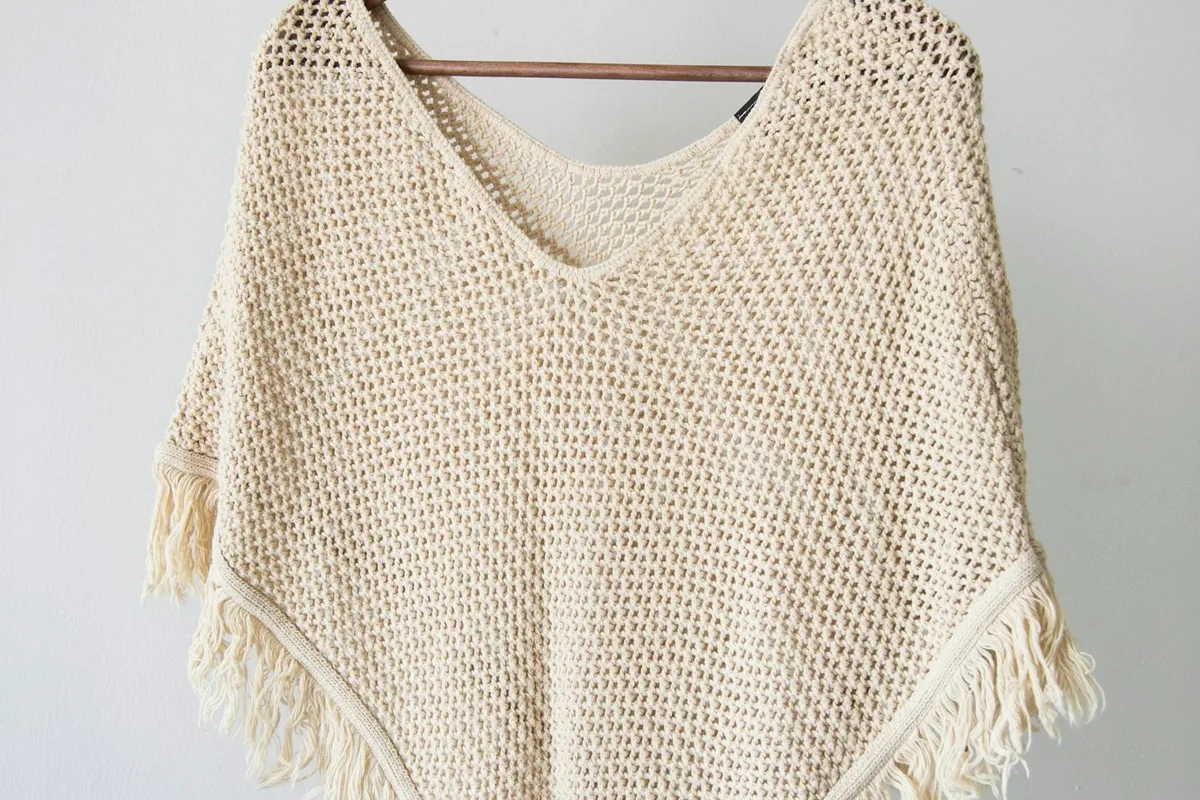
Start with the outfits you already repeat, then fill one genuine gap at a time. A capsule works when its clothes suit your week, not an arbitrary item count.
Shopping note: the retailer links in this guide are ordinary links and do not currently earn us a commission. Read our Affiliate Disclosure.
In this guide
A wardrobe can be full and still make a Monday morning awkward. Perhaps the office is relaxed, the school run involves a muddy path, and Saturday means lunch followed by errands. Buying a matching rail of neutral clothes will not necessarily solve those competing needs. A useful capsule begins with the life you have, including laundry days and the weather outside your front door.
Count occasions before counting clothes
Write down the next seven ordinary days and the clothing each one requires. Separate genuine dress requirements from preferences: a client meeting may need a smarter jacket, whereas working at home may simply call for a comfortable layer. Include footwear and coats in the exercise. They often determine whether an outfit is practical.
Lay out the clothes you wore most recently. Look for repeated shapes, rather than assuming you ought to like a particular style. If straight trousers and loose shirts already work, build around them before experimenting with a completely different silhouette.
Give your existing pieces a fair trial
Try five complete outfits using only what you own. Check them sitting down, reaching overhead and walking in the shoes you intend to wear. Photographing each combination for your own reference can reveal that the missing ingredient is a belt or a different length of top, rather than another pair of trousers.
Set aside items needing a small repair or alteration. Replacing a button or shortening a hem may restore a useful piece for less than buying a replacement. Keep sentimental clothes separate from the everyday working wardrobe so they do not obscure what is actually available.
Choose a colour relationship, not a uniform
Two or three base colours make mixing easier, but there is no requirement for beige. Navy, cream and forest green can work; so can black, denim blue and bright pink. Repeat a colour in different parts of an outfit to connect pieces you already enjoy.
Before buying, name three existing items that the candidate would accompany. If every proposed outfit requires another new purchase, the piece is probably expanding your shopping list rather than simplifying your wardrobe. A patterned shirt can be versatile if its colours recur elsewhere.
Compare the work each piece will do
| Piece | Useful when | Trade-off to check |
|---|---|---|
| Washable knit | You need a soft everyday layer | Drying time and pilling |
| Relaxed blazer | Your week includes smart casual meetings | Shoulder fit and cleaning needs |
| Straight trousers | You want repeatable outfits | Waist comfort when seated |
| Simple dress | You prefer one main garment | Whether it works with your actual shoes |
Fabric matters as much as the label on the hanger. A crease-prone shirt may be lovely, but it brings ironing into the weekly routine. Read the care instructions before deciding that an item is low effort.
Spend on the difficult fit
Allocate more attention, and potentially more of the budget, to the pieces that are hard to replace: comfortable shoes, properly fitting trousers or a coat you can move in. An expensive basic is not automatically better value. The relevant question is whether it solves a recurring problem better than the alternatives.
When browsing retailers, filter by material, measurements and care requirements before colour. Check delivery and return terms before placing a multi-size order. Keep packaging until you have tried the item with the outfits it is meant to support, indoors and within the return conditions.
Build a realistic laundry buffer
A very small wardrobe stops being convenient if one wet weekend leaves every suitable layer on a drying rack. Think about how often you wash and how long fabrics take to dry in your home. Enough underwear, socks and everyday tops is more useful than reaching a fashionable total of thirty items.
Seasonal storage can create breathing room without forcing unnecessary disposal. Revisit the capsule after several weeks of actual wear. A short note about the outfit you kept avoiding provides better shopping information than a wish list made while scrolling.
Frequently asked questions
Do all the pieces need to match?
No. Aim for several reliable combinations per everyday item, while allowing occasional clothing for particular events. Perfect interchangeability can become restrictive and boring.
Should I buy every missing basic at once?
Buy the most disruptive gap first and wear the replacement before ordering more. Its fit and usefulness may change what you think you need next.
What should I organise next?
Start with footwear if walking is part of your routine. Our guide to comfortable city shoes explains the practical checks, while layering for changeable weather helps turn the same clothes into more useful combinations.
Where to start browsing
Use the checklist above to compare suitable options. Check the current price, dimensions, materials and returns policy with the retailer before ordering.
Ordinary retailer links · no commission currently earned