Position useful light on the page, check glare from your seated eye level, and choose a stable lamp with controls and a cable route that suit the room.
Shopping note: the retailer links in this guide are ordinary links and do not currently earn us a commission. Read our Affiliate Disclosure.
In this guide
A reading corner does not need its own room. A comfortable chair, suitable light and somewhere to put a book can make an existing corner more inviting. The lighting deserves careful thought because a decorative lamp may look pleasant from the doorway while leaving the page in shadow.
Begin by sitting where you normally read. Notice the height of the book, the position of your hands and whether a nearby window or ceiling light helps. This practical view is more useful than choosing a lamp from its appearance alone.
Try the lights you already own
Move a portable lamp temporarily if it can be done safely. Position it so light reaches the page without shining directly into your eyes. Check whether your head, shoulder or hand casts a shadow over the text, and adjust from your normal reading position.
Try the arrangement after dark as well as during the day. A setup that seems bright beside a window may be inadequate in the evening. Keep the wider room comfortably lit so the reading area does not feel isolated against complete darkness, according to your own preferences.
Compare lamp formats
| Lamp type | Useful situation | What to check |
|---|---|---|
| Adjustable floor lamp | No nearby side table | Base footprint, stability and adjustment reach |
| Table lamp | A suitable surface is already present | Shade height and remaining table space |
| Clip-on lamp | A compatible edge is available | Clamp fit, permitted mounting and cable route |
| Wall-mounted lamp | A permanent position is wanted | Installation requirements and future flexibility |
An adjustable arm helps only if it reaches the page without becoming unstable or intrusive. Read the adjustment instructions and check whether parts become hot during use. Do not assume every lamp can be positioned at any angle.
Read the light specifications
Look at light output, colour temperature and dimming information together. Brightness needs depend on the room, reading material and individual preference. Rather than treating one wattage as a universal answer, compare the lamp’s stated light output and how it can be directed or adjusted.
If a bulb is replaceable, check the fitting, permitted type and maximum rating. If LEDs are integrated, look for information about repair or replacement arrangements. Compatibility matters: a dimmable bulb alone does not make an unsuitable lamp or dimmer compatible.
Check glare and controls
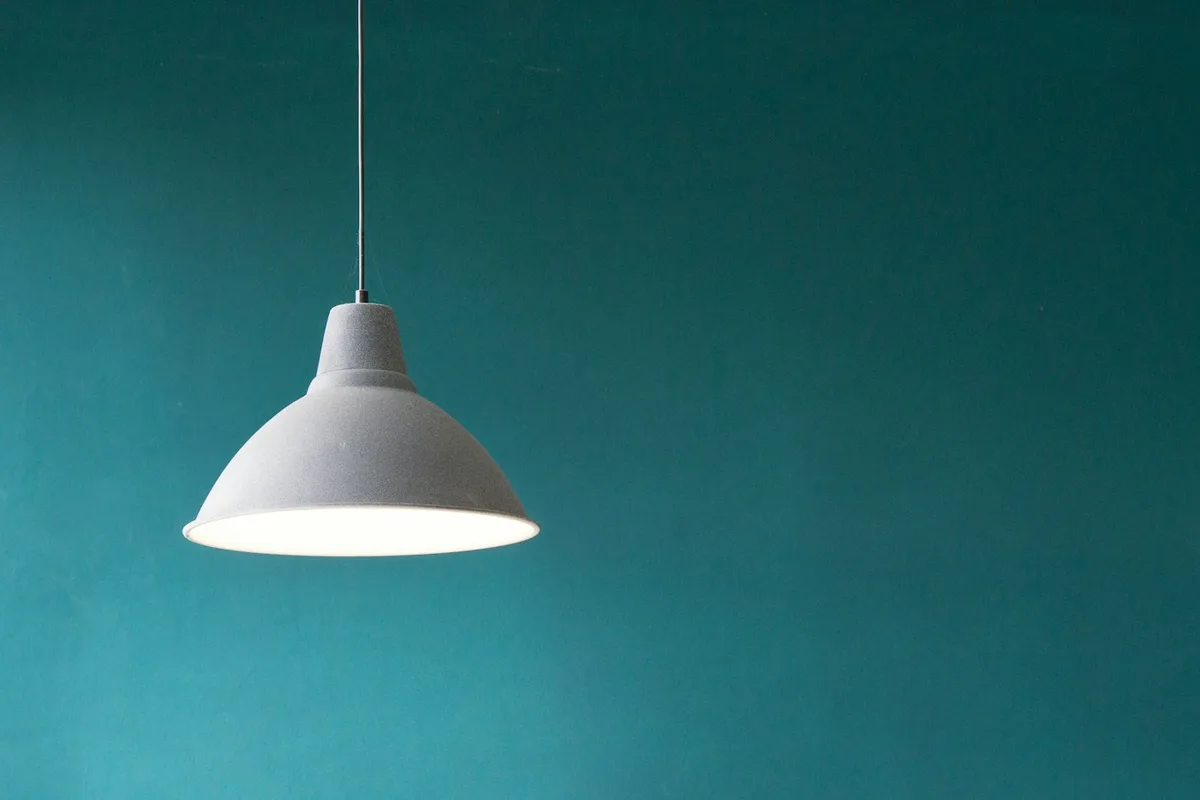
An exposed light source can be uncomfortable when it sits near eye level. Examine the shade or diffuser and check the lamp from your seated position. The ideal appearance from across the room may not match what is pleasant while holding a book.
Place the switch where you can reach it without stretching across a hot shade or getting up each time. Consider hand strength and mobility when comparing tiny switches or stiff joints. A simpler lamp with accessible controls can be more useful than a feature-rich design that is awkward to operate.
Plan cables and stability
Check the distance to a suitable socket before buying. Avoid running a lead across a walking route or trapping it under furniture. Follow the lamp’s instructions and any relevant extension-lead guidance rather than improvising connections to reach a preferred corner.
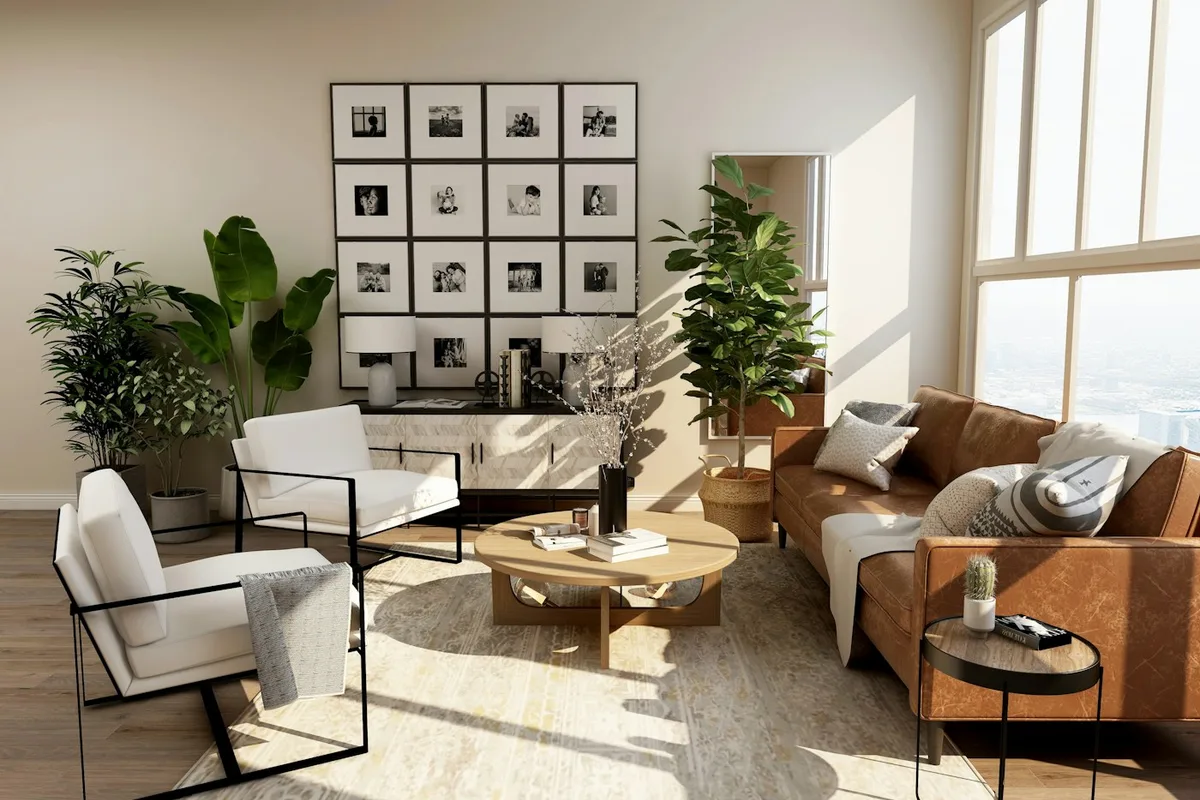
Ensure the base sits securely on the floor or table. Think about pets, children and people moving around the chair. Fixed wiring and electrical alterations require appropriate professional help. If the corner’s layout is already cramped, our living room refresh guide can help you reconsider furniture positions first.
Shop for the task, then the style
IKEA and John Lewis are useful starting points for comparing portable lighting, but assess individual specifications and care information. Check dimensions, included bulbs, replacement options, delivery and returns. Where possible, view the lamp in person while remembering that showroom lighting differs from your home.
Avoid buying a second lamp until you know why the first is unsuitable. Skip smart features you will not use and unusually large shades that take over the small area. A modest, adjustable and well-positioned light can support a screen-free evening without turning the corner into a major decorating project.
Frequently asked questions
Is a floor lamp better than a table lamp?
It depends on available space, table height and where the light needs to fall. Neither format is universally better.
Can I choose brightness by watts alone?
Watts describe electrical power, not a complete picture of useful illumination. Read light-output and compatibility details as well.
Should a lamp sit on a particular side?
Try positions that reduce shadows from your body and hands while keeping glare away from your eyes. The room and your reading posture determine what works.
Where to start browsing
Use the checklist above to compare suitable options. Check the current price, dimensions, materials and returns policy with the retailer before ordering.
Ordinary retailer links · no commission currently earned