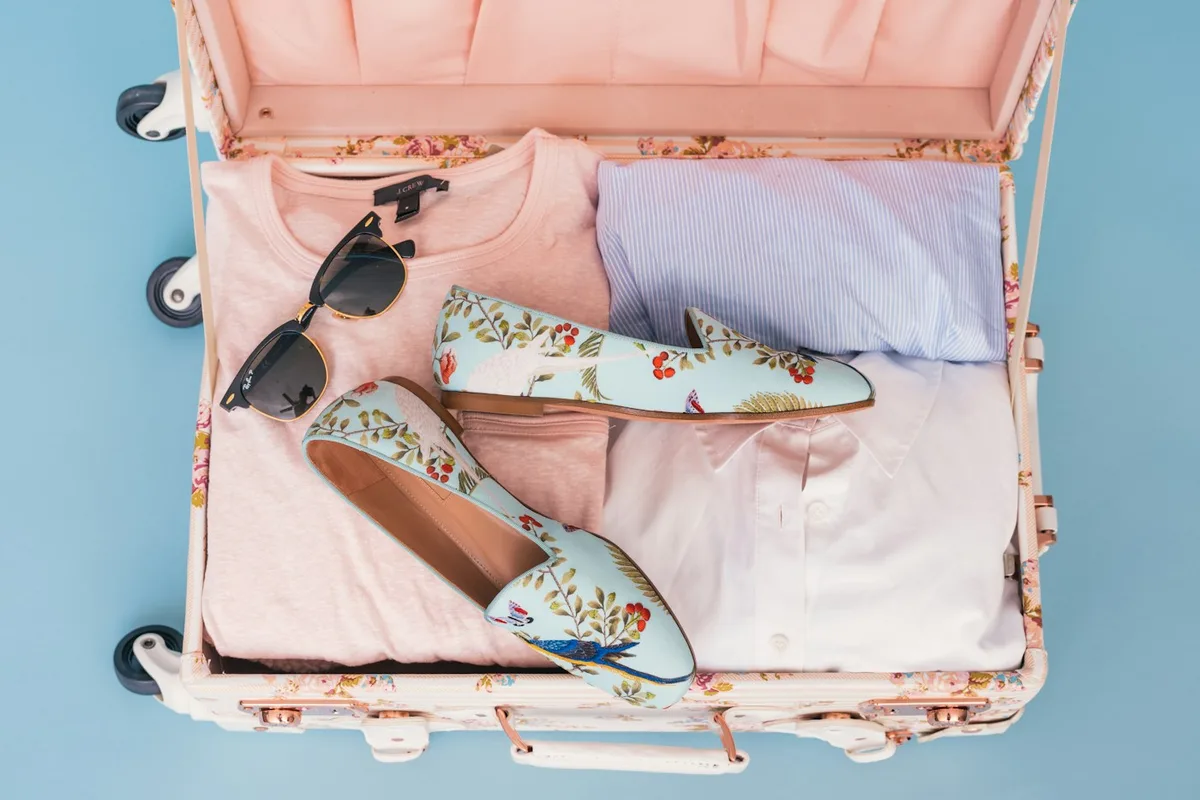
Plan indoor and outdoor stops together, wear proven comfortable shoes and protect the contents of your bag. Buy rainwear only for a specific gap your existing clothes cannot cover.
Shopping note: the retailer links in this guide are ordinary links and do not currently earn us a commission. Read our Affiliate Disclosure.
In this guide
A wet forecast can make a weekend away feel like a packing problem. Suddenly there are thoughts of extra boots, a second coat and a larger bag to hold everything. Rain does change what feels comfortable, but it does not require rebuilding your wardrobe. A flexible route and a few well-chosen essentials can be more useful than a suitcase full of precautionary purchases.
Build a flexible day rather than a rigid route
Group nearby places together so you can switch between an outdoor walk and an indoor stop without repeatedly crossing the city. Check opening hours, booking requirements and official transport information shortly before travelling. A museum or market hall may need advance tickets, even when the plan is spontaneous.
Leave time between bookings. A longer walk in heavy rain can take more effort than the map suggests, particularly when you are navigating unfamiliar streets. Allowing a café stop or a short bus journey gives you options without committing to a whole day indoors.
Use shoes you already trust
Choose footwear that is comfortable for the expected walking and appropriate to wet pavements. Waterproofing is only one factor: fit, tread and drying time also matter. A boot that keeps rain out but rubs your heel is unlikely to improve the weekend.
If you need a second pair, decide what job it performs. A lightweight clean pair for dinner may be more useful than two heavy pairs intended for the same walk. Our comfortable city shoes guide covers the checks to make before buying, including why a short try-on is not enough.
Match rain protection to exposure
An umbrella can work well for short walks, but becomes awkward when wind picks up or both hands are needed for luggage. A hooded outer layer leaves your hands free, though its fit and visibility matter. Try turning your head with the hood up before committing to a new jacket.
Read garment descriptions carefully. Water-resistant and waterproof are not interchangeable promises, and construction details affect performance. Consider how much time you will realistically spend outdoors. A specialist expensive shell may not be necessary for a trip organised around short urban walks.
Compare practical wet-weather choices
| Choice | Useful situation | What to consider |
|---|---|---|
| Compact umbrella | Short walks between sheltered stops | Wind and keeping a hand free |
| Hooded rain jacket | Longer walks or carrying bags | Hood movement and ventilation |
| Quick-drying layer | Repeated changes between inside and outside | Comfort and care requirements |
| Spare socks | A wet-shoe mishap | Keeping the spare pair dry |
Choose from what you already have first. A small gap may be solved by borrowing an umbrella or packing a suitable existing layer rather than buying a complete wet-weather outfit.
Protect the things inside the bag
A bag can look robust while allowing water through the zip or seams. Keep electronics and important papers in suitable protective storage, and do not rely on a vague material claim. Separate a damp umbrella from clean clothes or use a cover designed for it.
Carry only what you need for the day so the bag remains comfortable over a rain jacket. The daypack buying guide explains fit and practical access. Check that any bottle closure is secure too; internal leaks can be just as disruptive as rain.
Think about the evening reset
Find out whether the accommodation has somewhere appropriate to dry clothing, without assuming a radiator is suitable for every fabric. Follow garment care instructions and avoid placing shoes against strong direct heat. A dry base layer for the evening can feel more valuable than another accessory in the day bag.
Set a small contingency budget for transport or a sheltered activity if that suits your plans. Spending deliberately on comfort during the trip may be better value than advance purchases that never leave the suitcase. Pack around the actual itinerary using our weekend bag guide.
Frequently asked questions
Should I cancel a walking plan because rain is forecast?
Consider official warnings, local conditions and your comfort. A flexible urban route may be easy to adjust; severe conditions require a different decision based on current guidance.
Do I need waterproof trousers for a city visit?
Not automatically. Think about duration outdoors and the activities planned. Specialist items should answer a clear need rather than a vague fear of weather.
What is the most useful spare item?
It depends on your outfit, but dry socks or a simple base layer often solve a more immediate problem than an extra bulky coat.
Where to start browsing
Use the checklist above to compare suitable options. Check the current price, dimensions, materials and returns policy with the retailer before ordering.
Ordinary retailer links · no commission currently earned