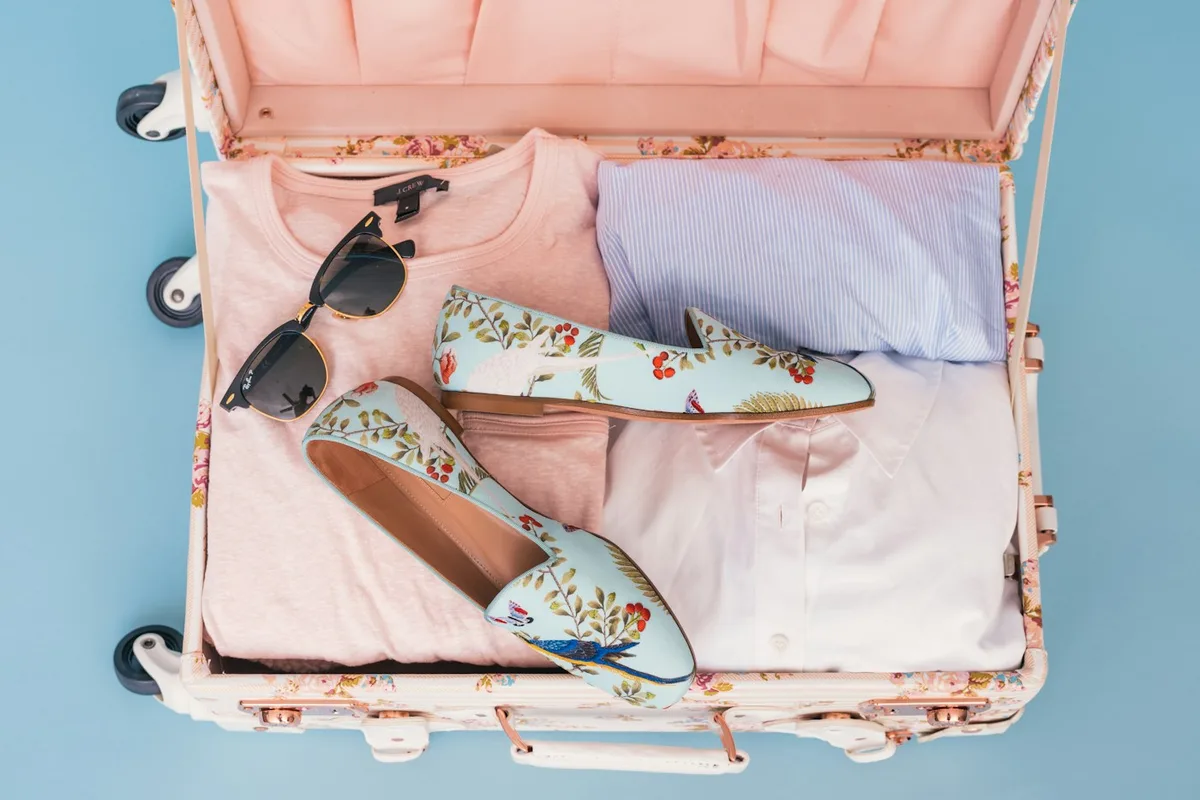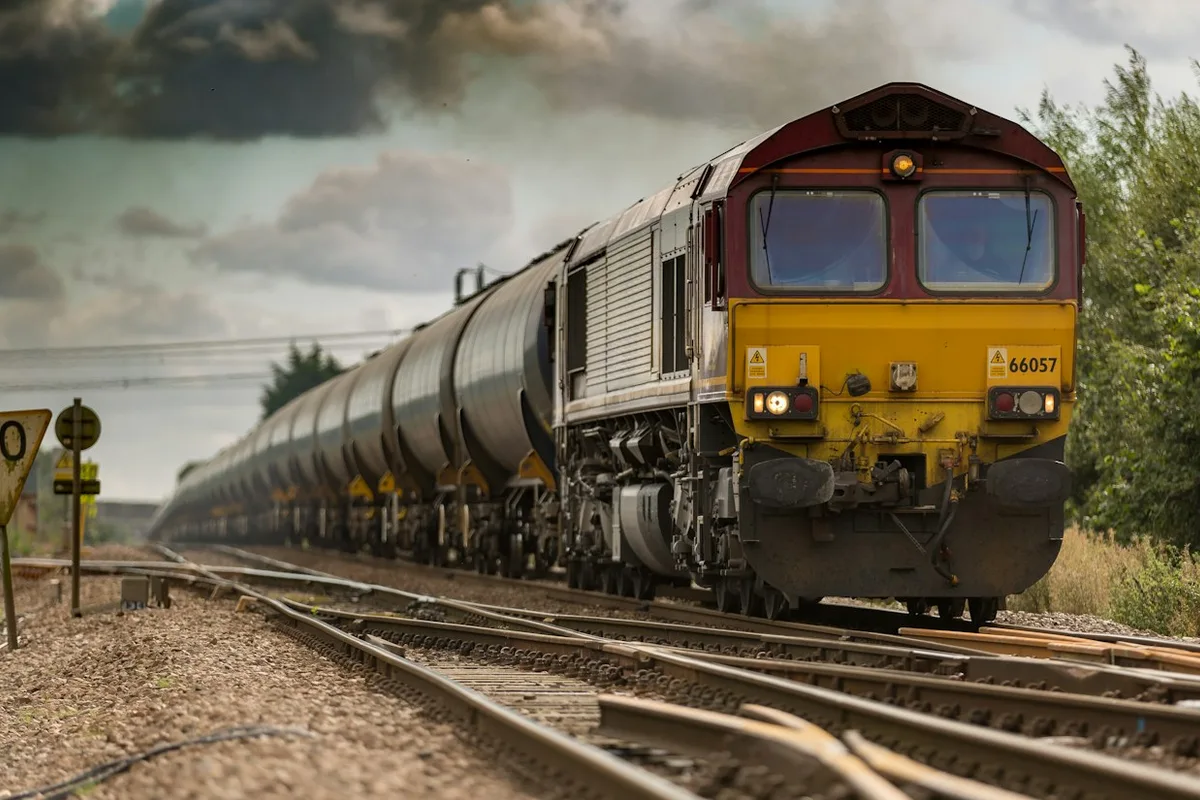
Keep tickets, important medicines, a charged phone and an adjustable layer within reach. Choose luggage you can lift yourself, and check the operator’s current journey information before leaving.
Shopping note: the retailer links in this guide are ordinary links and do not currently earn us a commission. Read our Affiliate Disclosure.
In this guide
A weekend by rail can start pleasantly and become awkward at the first staircase. An overfilled bag, a buried ticket and a coat trapped beneath the luggage create avoidable friction. The most useful train essentials are usually ordinary items arranged well, with a plan for the parts of the journey that happen away from your reserved seat.
Plan the route around your luggage
Look at connections, station facilities and the final journey to the accommodation before deciding what to carry. A bag on wheels can be convenient on smooth concourses and less convenient on repeated stairs or rough pavements. A shoulder bag gives different flexibility but puts the weight on your body.
Check the train operator’s current luggage guidance, service updates and ticket conditions. If you require assistance, use the relevant official service to arrange it. Buying a particular suitcase does not resolve an inaccessible route or an unrealistic connection.
Make tickets and essentials reachable
Keep the items needed at barriers in a consistent pocket. For a digital ticket, ensure the phone is charged and check how the ticket can be accessed if connectivity is poor. Follow the ticket provider’s instructions rather than assuming a screenshot is always valid.
Put essential medicines, identification where needed and a payment method in the bag that stays with you. A main bag placed on a luggage rack should not be the only place containing things you cannot manage without. A small zipped pouch may be enough; a specialist travel wallet is optional.
Dress for temperature changes
Platforms, busy carriages and station cafés can feel very different. A layer that opens at the front is often easier to adjust while seated than a tight jumper. Wear clothes that remain comfortable with bent knees and a waistband that does not become distracting during a longer journey.
Choose footwear that works for the walks at either end. New stiff shoes add no benefit to a journey with several interchanges. Our guide to layering for changeable weather can help you build a flexible outfit from clothes you already have.
Decide which accessories earn space
| Item | Useful when | Check before buying |
|---|---|---|
| Compact power bank | The phone is needed throughout a long day | Capacity, weight and transport rules |
| Refillable bottle | Refilling is practical on the route | Leak resistance and accessible storage |
| Small headphones | You want quiet entertainment | Comfort and awareness of announcements |
| Lightweight pouch | Essentials are loose in a large bag | Whether an existing pouch works |
Do not build a bag around every attractive travel accessory. Each extra object needs carrying, charging or keeping track of. Borrow or reuse a suitable item before treating a single weekend as a reason to replace everything.
Pack food with the journey in mind
A simple snack can be useful when a connection is tight or a planned café stop does not happen. Choose something that travels neatly and suits your needs, with a small bag for wrappers if required. Keep drinks securely closed and away from documents and electronics.
A reusable cup may earn its space if you will genuinely use it, but adding one to a bag already full of a bottle and food container can be cumbersome. Think about what your hands will be doing when showing a ticket, carrying luggage and boarding.
Rehearse boarding and arrival
Load the bag, close every pocket and practise lifting it as you would onto a rack. Check that straps cannot trail into wheels or catch on surrounding objects. Keep valuables with you and remain aware of your belongings during stops and changes.
On arrival, the same bag may need to accompany you before check-in. Choose a sensible load you can manage for that interval. The weekend packing guide helps reduce contents, while choosing a daypack covers a lighter bag for outings after the main luggage is stored.
Frequently asked questions
Do I need a large power bank?
Match it to the devices and time away from charging. Bigger capacity often brings more weight. Check compatibility, product safety information and applicable travel restrictions.
Is a wheeled case always easiest?
No. Consider the whole route, including stairs, pavement and storage space. Ease depends on both the luggage and the person carrying it.
Should I buy a neck pillow?
Only if it addresses a real need on your journey. Try the support you already have and consider whether a bulky accessory will be useful after the first hour.
Where to start browsing
Use the checklist above to compare suitable options. Check the current price, dimensions, materials and returns policy with the retailer before ordering.
Ordinary retailer links · no commission currently earned