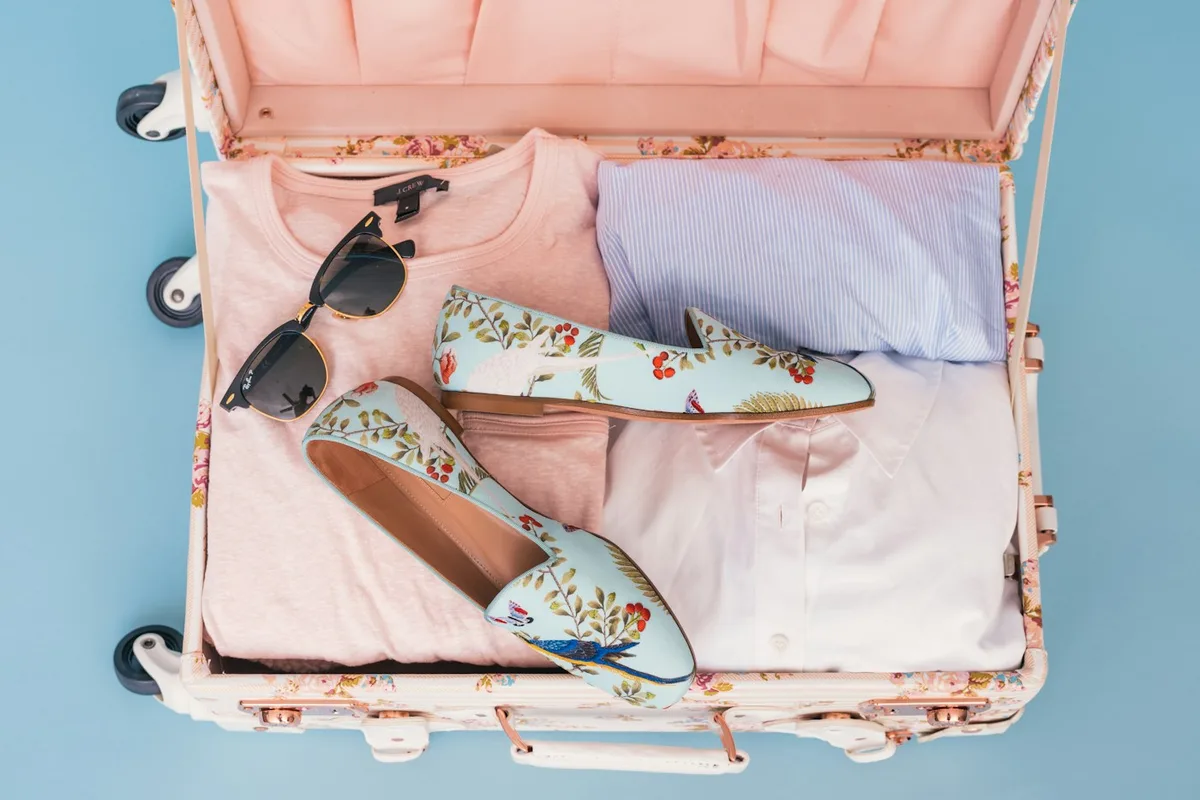
Start with one organiser for the items you repeatedly lose or need together. Check its empty weight and dimensions, and reuse existing pouches before buying a matching set.
Shopping note: the retailer links in this guide are ordinary links and do not currently earn us a commission. Read our Affiliate Disclosure.
In this guide
Travel organisers are easy to buy because they offer such a neat promise: every cable in its place, every outfit in a cube and no frantic search for a small item. In practice, an organiser can solve a useful problem or simply become another object to fit into the bag. The difference lies in how you pack and what goes wrong on your normal journeys.
Name the problem before browsing
Think back to the last time packing felt frustrating. Were cables tangled, toiletries leaking or socks buried under clothing? Those are separate problems and may need different solutions. A large set of matching cubes is not necessarily the answer to a missing charging lead.
Gather existing pouches, small wash bags and suitable fabric bags before buying. Test whether one of them keeps the troublesome items together. Reusing a pouch also helps you discover the size and opening style that work, rather than making a guess from a tidy product photograph.
Match the organiser to the bag
Measure usable space in the luggage, especially if the base is curved or the handle mechanism intrudes. Several rigid organisers can leave awkward gaps even when their combined advertised volume looks suitable. Soft pouches may adapt better, though they give less structure.
Consider how you access the contents. A cube at the bottom of a fully packed bag can be convenient at the accommodation and inconvenient in transit. Essential items should remain reachable without unpacking the whole weekend onto a station floor.
Compare the common options
| Organiser | Problem it can solve | Reason to skip it |
|---|---|---|
| Packing cube | Keeps a clothing group together | A very small bag already stays orderly |
| Cable pouch | Stops small accessories drifting apart | Only one charger is being carried |
| Toiletry bag | Contains the grooming kit | A large design encourages overpacking |
| Shoe bag | Separates soles from clean clothes | An existing suitable bag does the job |
Compression features can reduce the space occupied by soft clothing, but they do not remove its weight. Overfilling a bag remains overfilling even if a zip manages to close. Check the luggage allowance and your ability to carry the final load.
Give toiletries their own practical check
A wash bag needs to fit what you genuinely use, stand or hang where appropriate and contain items securely. A hanging design may be helpful in a small bathroom, but its hook and unfolded size still need somewhere suitable. Check whether the material can be cleaned if a product spills.
Small bottles should close reliably and be clearly identified. Follow current security requirements when flying; an attractive toiletry case does not replace any required presentation of liquids. Keep essential medicines accessible and in appropriate packaging, following the guidance relevant to your journey.
Avoid turning cable storage into extra equipment
Lay out the devices coming with you, then identify the chargers and cables they actually require. Compatibility matters more than the number of little elastic loops inside a pouch. A spare cable may be useful for a specific reason, but a drawer of old leads does not need to accompany every trip.
Choose a pouch that protects the contents without making them difficult to see. Do not tightly bend or crush cables merely to fit a compartment. If you need a power bank, assess its capacity, safety information and transport rules separately from the organiser purchase.
Trial one purchase before adding a set
Load the proposed organiser and place it in your actual bag. Check empty weight, zip movement and whether the contents are easier to reach. For an online purchase, do this indoors and within the retailer’s return conditions before removing packaging or taking it away.
Use the organiser on one trip, then review what it changed. A successful purchase earns its place by saving repeated effort, not simply by making a suitcase photograph look coordinated. The weekend packing guide helps reduce the load before organisation begins, and train weekend essentials explains which items deserve accessible storage.
Frequently asked questions
Are compression cubes worth the extra cost?
Only if the way they manage soft clothing helps your particular bag. Compare weight, usable dimensions and ease of opening. They cannot make a heavy load lighter.
Should each family member have different colours?
It can make shared luggage easier to sort, but labels or existing distinct pouches may achieve the same result. Buy a system only if the sorting problem is frequent enough to justify it.
How many organisers should I carry?
As few as needed to solve clear problems. If you spend longer remembering which pouch contains something than you did finding it loose, simplify the arrangement.
Where to start browsing
Use the checklist above to compare suitable options. Check the current price, dimensions, materials and returns policy with the retailer before ordering.
Ordinary retailer links · no commission currently earned