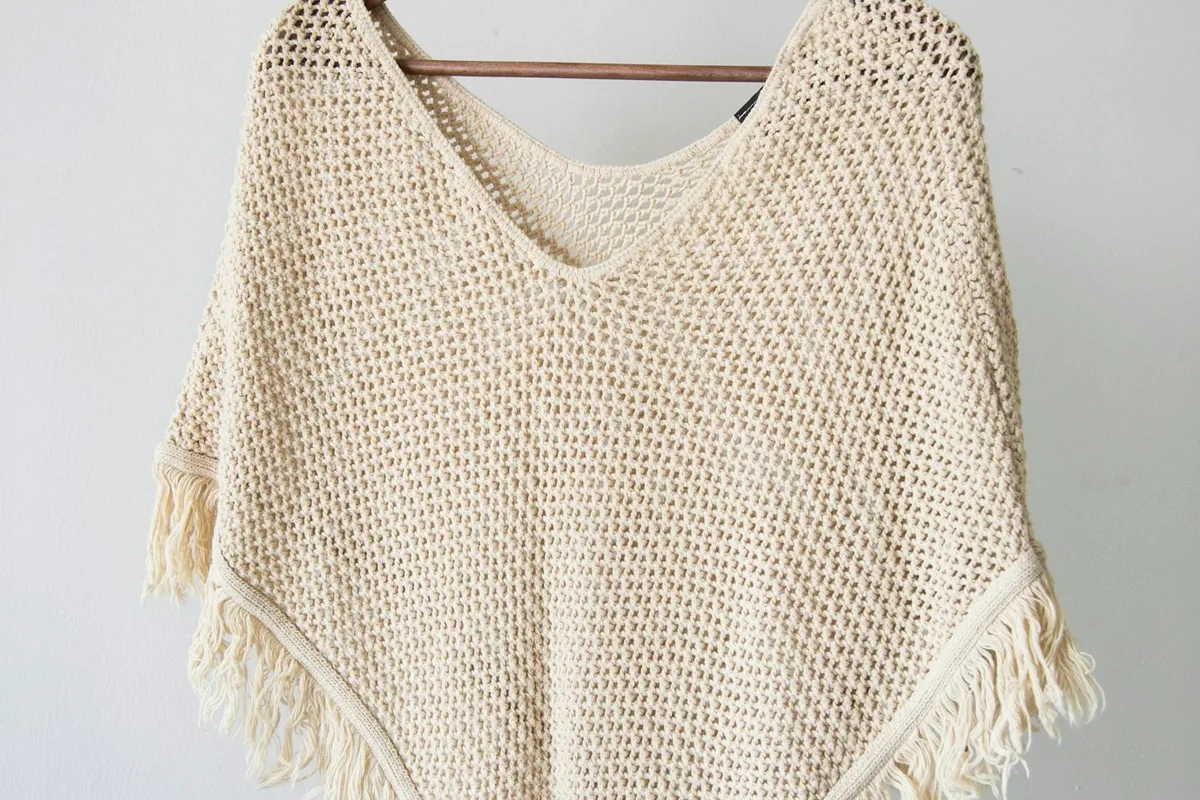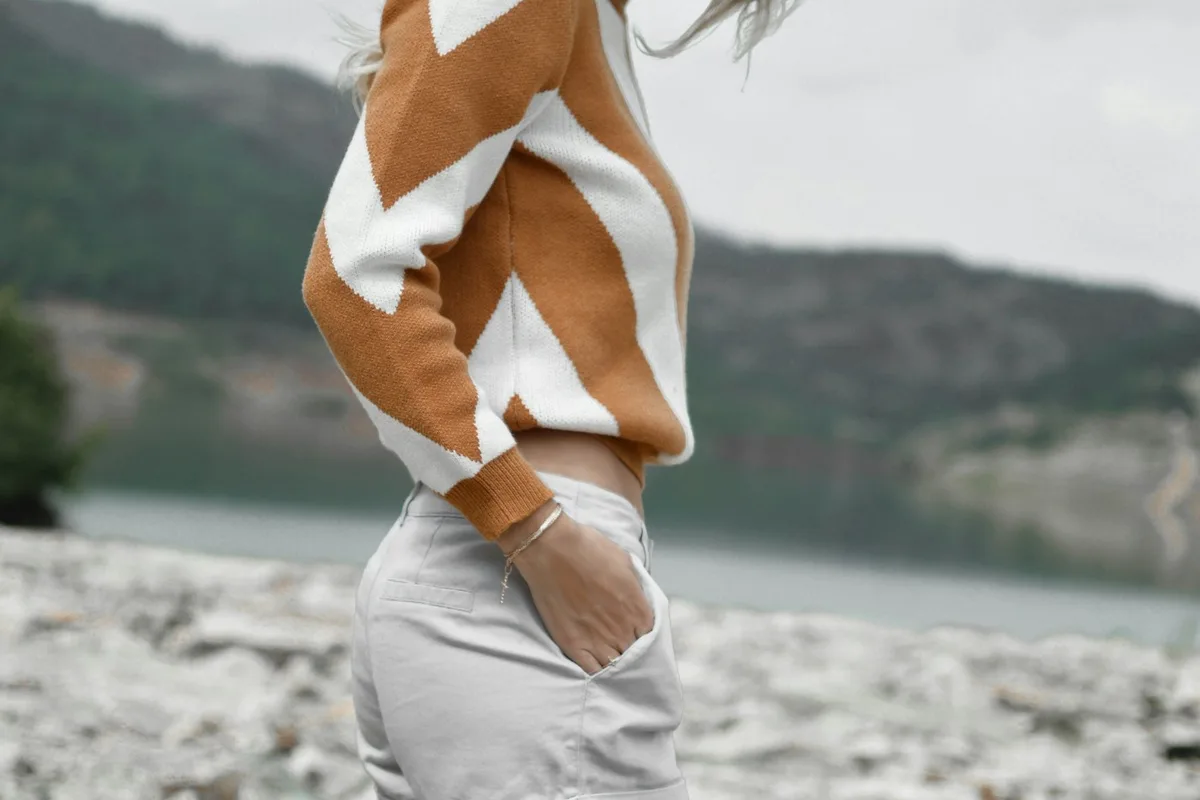
Use a comfortable base, an adjustable middle layer and an outer layer chosen for the forecast. Check that everything fits together and that removed layers fit in your bag.
Shopping note: the retailer links in this guide are ordinary links and do not currently earn us a commission. Read our Affiliate Disclosure.
In this guide
A cool morning can turn into a warm train journey and an unexpectedly breezy walk home. Dressing for just one of those moments tends to leave something wrong with the rest of the day. Layering gives you options, but only if the garments fit together and are easy to take off, carry and put back on.
Start with the day’s movements
Check the forecast alongside your plans. Ten minutes between a bus stop and an office is different from several hours outdoors. Think about indoor heating, how briskly you walk and whether you have somewhere to leave a coat. The aim is adjustable comfort, rather than wearing every warm thing you own.
Choose a base layer that feels comfortable against your skin and works on its own if needed. An everyday T-shirt, long-sleeved top or shirt can all serve the purpose. Thickness is less useful than knowing how the garment feels during your actual routine.
Make the middle layer easy to adjust
A cardigan, overshirt or zipped fleece can be opened without taking it off completely. This makes small temperature changes easier to manage on a crowded train. A jumper may offer a cleaner outline but requires more effort to remove, especially over a shirt with a loose collar.
Check sleeve room and shoulder movement when combining pieces. Bunched cuffs and tight underarms can make three individually comfortable garments unpleasant together. Try the full combination at home, including the bag you normally carry, rather than evaluating each item in isolation.
Choose the outer layer for the conditions
A wind-resistant jacket and a rain jacket perform different jobs, although some designs combine features. Read the actual product information instead of treating every lightweight shell as waterproof. A hood that moves with your head and cuffs you can adjust may matter more than extra pockets.
In sustained rain, also consider the hem length and what remains exposed. A short jacket may leave trouser tops wet. If you rarely spend long outdoors in heavy weather, an umbrella and an existing suitable coat may be enough for your usual trips.
Compare useful layer combinations
| Situation | Starting combination | What to check |
|---|---|---|
| Cool commute, warm office | Top, cardigan, light coat | Storage for the removed coat |
| Windy afternoon errands | Long sleeve, overshirt, wind layer | Freedom to reach and carry bags |
| Showery weekend walk | Base, light knit, rain shell | Hood fit and room at shoulders |
| Smart casual meeting | Shirt, fine knit, coat | Collar and sleeve bulk |
Treat these as prompts, not a shopping list. Try the nearest equivalents in your wardrobe first. A layer that works with several existing outfits is more useful than one bought solely to recreate a photograph.
Plan where removed layers go
A bulky jumper is awkward if it fills your entire tote by mid-morning. Consider the space available in your bag and whether a layer can be folded without becoming troublesome to wear later. A thin layer that you actually carry may serve better than a warmer one left at home.
Scarves and hats offer small adjustments without changing the whole outfit, but they also need somewhere to go. Keep a small pouch or dedicated pocket for accessories so they do not disappear underneath lunch or a laptop.
Buy for fit across the whole outfit
If a new outer layer is genuinely needed, try it over the thickest combination you expect to use. Zip it up, sit down and move your arms forward. Extra room is useful until it becomes so loose that the coat is cumbersome or admits wind at the openings.
Compare care requirements and drying time before paying. A delicate knit may be unsuitable for repeated damp journeys. Check caring for knitwear before choosing a middle layer, and resist adding several nearly identical garments until you know which gap remains.
Frequently asked questions
Are three layers always necessary?
No. Use the number that suits the conditions and your activity. Carrying an optional light layer may be enough on a mild day.
Should the base layer always be technical fabric?
Not for ordinary daily use. Choose material based on comfort, care and activity. Longer or more demanding outdoor outings may need more specialised clothing decisions.
How do I keep outfits looking coordinated?
Repeat one or two colours and check the lengths together. The everyday capsule wardrobe guide helps identify combinations you can repeat without replacing everything.
Where to start browsing
Use the checklist above to compare suitable options. Check the current price, dimensions, materials and returns policy with the retailer before ordering.
Ordinary retailer links · no commission currently earned