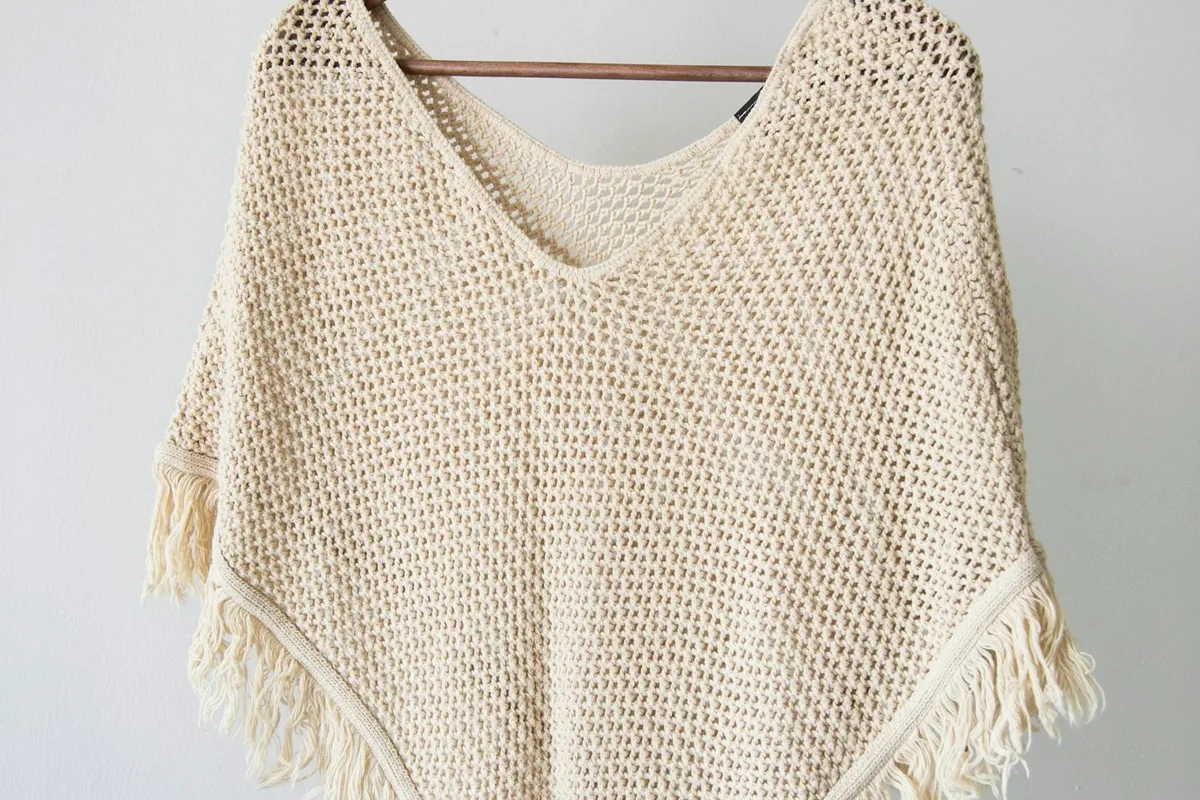
Follow each garment label, wash only when needed, reshape gently and dry supported. Before buying, choose a knit whose care requirements fit your available time and drying space.
Shopping note: the retailer links in this guide are ordinary links and do not currently earn us a commission. Read our Affiliate Disclosure.
In this guide
A favourite jumper may become disappointing long before it wears out. It stretches on a hanger, develops small pills at the sides or comes out of a wash looking different. Some wear is inevitable, but a steady care routine can help you keep useful knitwear in circulation and avoid replacing it simply because it needs attention.
Read the label before the first wash
Knitwear is a construction, not a single material. Wool, cotton and synthetic blends can behave differently, and trims or dyes may affect the care instructions. The sewn-in label is the starting point. Do not assume that a machine’s wool programme is suitable for every garment containing wool.
If the label is unclear, check the retailer’s guidance for that specific item. Keep a note of the instructions if the label becomes difficult to read. Temperature, agitation and drying method can all matter; guessing is rarely worth the risk with a well-fitting favourite.
Separate a refresh from a wash
A jumper worn briefly over a clean base layer may only need airing in a suitable place. Inspect for marks and odours rather than automatically washing after every wear. Address a small stain promptly using a method appropriate to the fibre, testing cautiously and following the care advice.
Avoid masking a problem with perfume or spraying a delicate garment with an unverified cleaning mixture. When a full wash is needed, use the recommended method and an appropriate detergent. Overloading a machine or rubbing vigorously by hand can make a supposedly gentle process harsher.
Support the garment as it dries
Wet knitwear can be heavy. Lifting it by the shoulders may stretch it before it reaches the drying area. Support the whole garment, remove excess water according to its instructions and place it in the recommended position. Many knits need gentle reshaping while damp.
If flat drying is required, plan for air circulation and protect the surface underneath. Do not put a precious jumper on direct strong heat simply to speed things up. Turn or reposition it carefully if needed, and let it dry fully before folding it away.
Compare care needs when buying
| Knit type | Practical consideration | Question before purchase |
|---|---|---|
| Cotton knit | Can hold considerable water | Is there enough drying space? |
| Fine wool knit | May need gentle handling | Does its care routine suit the week? |
| Synthetic blend | Care varies by construction | How does it feel against the skin? |
| Chunky textured knit | Bulk can complicate storage | Will it fit comfortably under a coat? |
The most expensive fibre is not automatically the best everyday choice. A washable blend that you enjoy wearing may be more useful than a delicate purchase you avoid for fear of damaging it. Check fabric composition and the actual label together.
Deal carefully with pills and snags
Small surface balls often appear where fabric rubs, such as under arms or beside a shoulder bag. They do not by themselves prove that a garment is unusable. A suitable knitwear comb or fabric shaver may help, but use the correct tool cautiously on a supported surface and test an inconspicuous area first.
Do not pull a loose thread or cut a snag without understanding the knit. A repair professional may be able to improve damage that looks worse than it is. If a bag repeatedly catches the same area, changing how you carry it can prevent a recurring problem.
Store for the next wear and the next season
Fold knits that may stretch on a hanger, leaving enough space that they are not crushed into a drawer. Store garments clean and fully dry. Check stored clothing occasionally, especially before moving a seasonal collection into a hard-to-reach box.
A small repair kit and a habit of checking seams can keep a minor issue manageable. Before replacing a jumper, try it with your current clothes again: sometimes it needs a new outfit combination rather than retirement. Our layering guide offers practical starting points.
Frequently asked questions
Can every wool jumper be hand washed?
No. Some items have different instructions because of their construction, finish or detailing. Follow the label rather than a rule based only on fibre content.
Will shaving pills damage a knit?
Careless use can cut or snag fabric. Choose a suitable tool, work gently and stop if the garment seems too delicate for the method.
How many everyday jumpers do I need?
Enough for your weather, laundry rhythm and outfits. Use the capsule wardrobe approach to identify a genuine gap before buying another similar knit.
Where to start browsing
Use the checklist above to compare suitable options. Check the current price, dimensions, materials and returns policy with the retailer before ordering.
Ordinary retailer links · no commission currently earned