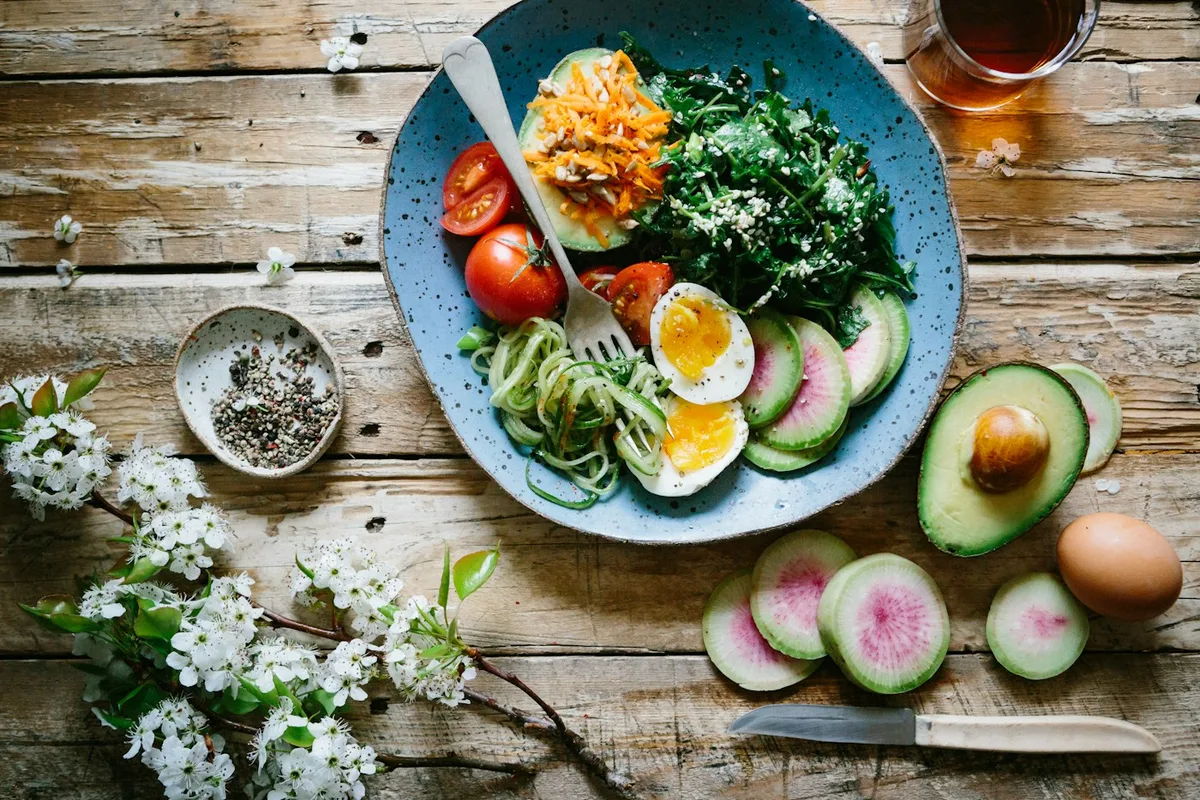
Start with one food container that suits your meals, then add an insulated bag or cool pack only where your food-storage routine requires it.
Shopping note: the retailer links in this guide are ordinary links and do not currently earn us a commission. Read our Affiliate Disclosure.
In this guide
A packed lunch sounds simple until dressing escapes into a work bag or yesterday’s container is still waiting beside the sink. A useful lunch kit reduces these small obstacles. It should fit the food you eat, the space you carry it in and the facilities available when you arrive.
There is no need to buy a coordinated collection at once. Begin with your existing containers and pack a few ordinary lunches. Notice what goes wrong: squashed sandwiches, too many separate pots or an awkward box in the office fridge. Those problems make a better shopping list than a display of matching accessories.
Start with the destination
Check whether you have a fridge, a microwave and somewhere to wash utensils. A container for reheating leftovers has different requirements from a sandwich box used on a short journey. Follow the container manufacturer’s instructions for heating, removing lids and cleaning; a microwave-safe symbol on the base does not necessarily apply to every part.
For perishable foods, plan safe temperature control throughout the journey and storage period. An insulated bag is only one element of that plan. Consult current food-storage guidance and do not assume any bag keeps food safe for a fixed number of hours regardless of weather or contents.
Choose a shape around familiar meals
| Usual lunch | Helpful container feature | Possible drawback |
|---|---|---|
| Sandwich and fruit | Broad, shallow compartment | Takes up bag width |
| Leftover pasta or rice dish | Reheating-compatible container | Food and lid require appropriate care |
| Salad with dressing | Separate small dressing pot | More pieces to wash |
| Several snack portions | Removable dividers | Compartments may not seal individually |
Measure the container against your bag before ordering. A roomy box that must travel sideways may be less useful than two smaller boxes. Check capacity using the portions you actually eat, allowing space to mix a salad without spilling it over the edge.
Be realistic about seals
A lid that clips shut is not automatically suitable for soup. Look for an explicit claim about transporting liquids and follow the directions for closing it. Inspect the gasket and the corners, especially if you will wash the box by hand. Replacement seals can extend a container’s useful life when they are sold separately.
Use a second protective layer where appropriate, but do not treat a bag as a repair for a damaged lid. If a container is cracked, distorted or missing a seal, check the manufacturer’s advice before continuing to use it. The same attention to closures helps when choosing a reusable coffee cup.
Keep accessories deliberately small
Ordinary cutlery from your kitchen may work perfectly well in a washable pouch. Add a dedicated set only if forgetting utensils is a recurring problem. A napkin and a small dressing pot might be useful; elaborate folding gadgets and many tiny containers can simply increase washing-up.
An insulated bag should be easy to wipe clean and large enough for the container plus any required cooling components. Consider the handles, fastening and interior seams. A dark pattern may conceal marks visually, but it does not remove the need for cleaning and drying after use.
Buy one improvement at a time
Marks & Spencer and John Lewis offer places to compare food-storage options, but judge individual listings rather than assuming one retailer’s whole range suits your needs. Check care instructions, dimensions, return arrangements and whether replacement lids are available. Set a total budget that includes any essential cooling accessories.
Avoid large sets with capacities you will never use. Do not buy a specialist soup flask if your normal lunch is a sandwich, or a divided box whose sections cannot hold your favourite leftovers. A dependable everyday container is a better starting point than a drawer full of aspirational lunchware. If cupboard space is already tight, read our small kitchen organisation guide before adding more.
Make tomorrow’s lunch easier
Set washed containers together in one accessible place. Decide on lunch while putting away the evening meal, following appropriate cooling and refrigeration guidance. Keep any shopping list tied to meals you will realistically prepare rather than a completely new weekday cooking routine.
Frequently asked questions
Do I need a separate lunch bag?
Only if it solves a carrying or temperature-control need. Check your full journey and storage arrangements first.
Are compartment boxes suitable for liquids?
Not necessarily. Dividers may separate foods without sealing them. Read the exact product description.
Is glass better than plastic?
Glass can be useful for some reheating routines but adds weight and can break. Choose according to your transport, care and heating requirements.
Where to start browsing
Use the checklist above to compare suitable options. Check the current price, dimensions, materials and returns policy with the retailer before ordering.
Ordinary retailer links · no commission currently earned